
Email marketing campaigns are some of the most underrated creative and marketing ways. It improves email open rates and engagement. You will learn how different campaigns can drive awareness, conversions, and brand loyalty.
Whether you are a business owner, marketing head, or decision-maker, this guide gives you practical strategies and real-world approaches to elevate your brand’s communication. From personalized email to re-engagement strategies, you will discover proven techniques and examples that top marketers use to create impactful campaigns that convert.
Learn how high-performing email marketing examples streamline campaign execution and generate measurable results across key marketing metrics.
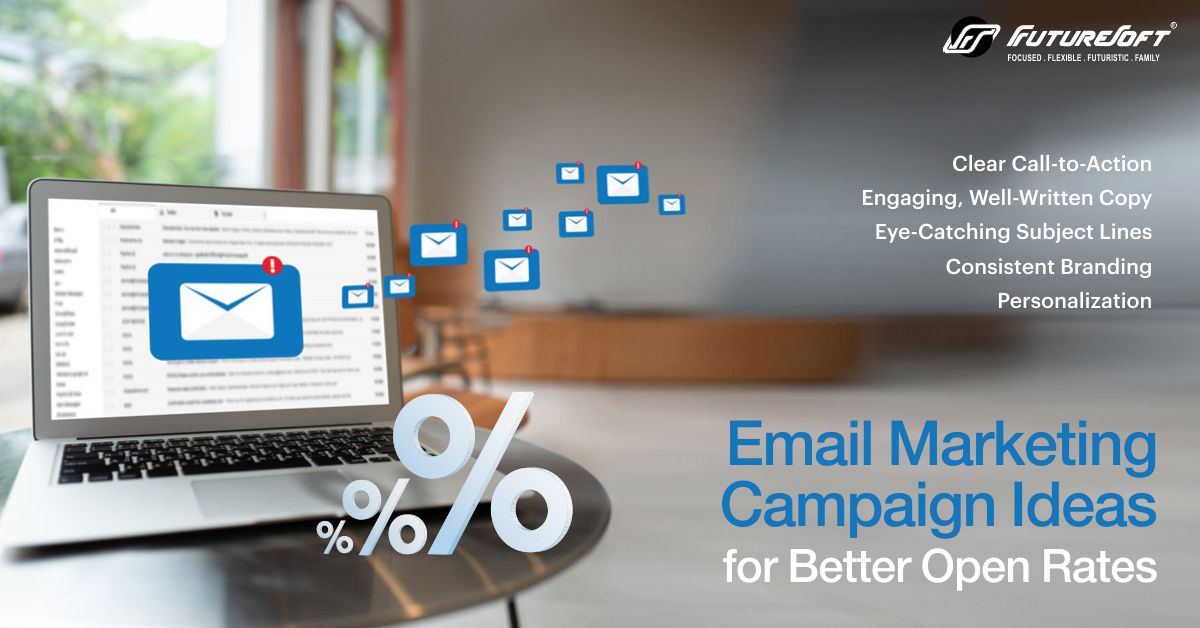
In the present-day digital world, brands need innovative email marketing ideas to stand out in crowded inboxes. With users receiving dozens of promotional messages daily, getting them to open your email has become a serious challenge.
Many companies still fail to realize that an effective email campaign is not about sending more; it’s about sending smarter. This blog will walk you through everything you need to know about building successful email marketing campaigns.
You will learn what makes an email campaign effective, explore fifteen creative campaign ideas that can boost open rates, and discover additional tips to optimize your results. By the end, you will have a practical understanding of what works in modern email marketing and how you can use it to achieve measurable business growth.
An email marketing campaign is a coordinated series of emails sent to achieve a specific goal; whether it’s nurturing leads, driving product sales, or building customer relationships. Each campaign is crafted with a strategy in mind: audience segmentation, timing, and personalized content that drives engagement.
According to Statista, the number of global email users surpassed $4.5 billion in 2025. This makes email one of the most powerful communication tools for businesses. Research also shows that for every dollar spent on email marketing, the average return is $42.
That’s why companies across industries, from startups to Fortune 500 brands, rely heavily on email campaigns as a core part of their marketing mix.
An effective email marketing campaign isn’t about volume; it’s about relevance and impact. The following elements play a key role in making a campaign successful.
When all these factors align perfectly, your email campaign transforms from an ordinary message to a conversation that builds trust and drives results.
Understand how to grow your sales with important eCommerce metrics.
One of the most effective email marketing campaigns is product recommendation emails. They use personalization to drive conversions. Through analyzing user behavior such as browsing history, past purchases, searches, or wishlist items, you can send customized recommendations that align perfectly with your customers' interests.
How to Execute
Best Practices
Example
Amazon and Netflix are some of the companies that are leading the way by suggesting items or shows based on users’ history, a strategy that boosts engagement and sales remarkably.


Awareness campaigns help in introducing your brand, promoting a new launch, or reinforcing brand recall. These emails are informative rather than sales-oriented and build trust among new audiences.
How to Execute
Best Practices
Example
A startup SaaS company might send an awareness email titled “We're Changing How Teams Collaborate” that explains the company’s vision and invites readers to try a free demo.
These campaigns are crafted to drive readers from their inboxes to your website, blog, or landing pages.
How to Execute
Best Practices
Example
A digital marketing agency can send a weekly “Marketing Roundup” that features trending blogs, case studies, and industry insights.
Study to harness the power of AI for eCommerce.


Customers are more likely to buy when they understand how a product works. Educational emails are great for nurturing leads and reducing friction before purchasing.
How to Execute
Best Practices
Example
A tech company could send a “Getting started with our platform” to new subscribers, walking them through setup steps and highlighting time-saving features.
Lead nurturing emails build relationships over time, moving prospects from awareness to decision-making stages. These are particularly effective for B2B companies.
How to Execute
Best Practices
Example
For a SaaS company, send a sequence: Day 1: Welcome Email, Day 3: Free Industry Report, Day 6: Demo Invitation, Day 9: Customer Success Story.
Find out about cross-border eCommerce: tips for global expansion.


These campaigns are designed to drive immediate sales and revenue. They rely on persuasive offers and clear CTAs.
How to Execute
Best Practices
Example
An eCommerce brand might send “24-Hour Mega Sale: 50% Off Everything!” featuring top products and direct purchase links.
Welcome emails have some of the highest open rates of all types of email campaigns. They are your chance to make a strong first impression.
How to Execute
Best Practices
Example
An online clothing brand might say, “Welcome to the Family! Here’s 15% Off Your First Order.”
Discover the key steps to building stunning cosmetics eCommerce websites.


Feedback helps you understand customer satisfaction and identify areas for improvement.
How to Execute
Best Practices
Example
A SaaS platform can send “Help Us Improve Your Experience” after a user completes a month of using their product.
Referrals are one of the strongest drivers of organic growth. These emails turn satisfied customers into brand promoters.
How to Execute
Best Practices
Example
Dropbox famously grew through referral emails, offering extra cloud storage space to both sender and recipient.
Get the ultimate guide to eCommerce conversion rate optimization strategies.


Contests and giveaways boost excitement and engagement.
How to Execute
Best Practices
Example
A beauty brand might email “Win a Year of Skincare Essentials!” and require participants to share the campaign on social media.
Showcasing success stories builds credibility and influences buying decisions.
How to Execute
Best Practices
Example
A B2B marketing agency sends an email titled “How We Help XYZ Corp Increase Conversion by 70%.”
Find out how the automotive industry is shifting gears to eCommerce.


Sales and promotional emails remain a cornerstone of email marketing examples for driving conversions.
How to Execute
Best Practices
Example
A tech accessories brand might send “Black Friday Sale: Up to 60% Off Headphones & Chargers.”
Sharing valuable industry updates helps establish your brand as an authority.
How to Execute
Best Practices
Example
A B2B SaaS company could send “Top 5 AI Trends Reshaping Data Analytics in 2025.”
Discover the top 7 tools to skyrocket conversions for D2C brands.


These emails keep your audience informed about your company’s milestones, achievements, or new directions.
How to Execute
Best Practices
Example
A startup might send “We’re Expanding! New Office, New Opportunities!” with photos and a thank-you message to customers.
Upselling emails help increase customer lifetime value by promoting higher-tier services or complementary products.
How to Execute
Best Practices
Example
A cloud software provider sends “Upgrade to Pro and Get 3x Faster Processing!” with a CTA leading to the upgrade page.
Learn how to secure your Magento store: essential security measures.

While Generative AI has immense potential, it’s not without challenges. You must address specific concerns to fully leverage AI solutions for eCommerce success.
Seasonal campaigns align with holidays or special events. It sends festive greetings or limited-edition offers. Use themed visuals and warm messaging. It connects emotionally and capitalizes on seasonal buying behavior.
These campaigns target inactive subscribers. Use subject lines like “We Miss You!” or “Here’s 20% Off to Come Back.” Offer incentives or ask for feedback. Win back lost customers and refresh inactive lists.
Tips for Effective Email Marketing Campaigns
Learn how to increase conversions of your furniture eCommerce store.
Email remains one of the most powerful digital marketing tools for businesses looking to connect directly with their audience. From a welcome message to personalized recommendations, every campaign plays a critical role in customer engagement and retention.
Implementing these email marketing ideas can help improve open rates, boost conversions, and strengthen long-term brand loyalty. If you are ready to grow your business with professional email campaigns, connect with us.
Our expert team specializes in creating the most effective email marketing campaigns that deliver measurable results and keep your audience engaged from the first click to conversion.
A. An email campaign is a sequence of strategically planned emails sent to a targeted audience with a specific marketing goal like promoting a new product, nurturing leads, or driving sales. Each campaign includes a compelling subject line, engaging content, and a clear call-to-action.
For example, an online clothing brand might run a “Spring Collection Launch” campaign that introduces new arrivals, offers a limited-time discount, and encourages users to visit their website.
Such campaigns help you connect directly with your customers, boost conversions, and maintain ongoing engagement.
A. The most successful marketing campaigns are those that combine personalization, timing, and value. Among all, email marketing campaigns consistently deliver one of the highest returns on investment; approximately $42 for every $1 spent.
Within email marketing, welcome emails, product recommendations, and re-engagement campaigns tend to perform best because they’re built to customer behavior. For instance, Amazon’s personalized product recommendation emails are a prime example of high-converting campaigns.
They use customer data to suggest relevant products, increasing click-through and purchase rates while improving user experience.
A. Email campaigns help businesses build meaningful customer relationships and drive measurable growth. They keep your brand top of mind, nurture leads through the sales funnel, and generate repeat sales through personalized offers.
Unlike social media algorithms, email gives brands direct access to their audience. Businesses can segment customers, automate campaigns, and analyze open or click rates to improve future communication.
Whether promoting a new product, announcing an event, or sharing insights, a well-planned email campaign is one of the most cost-effective ways to engage and retain customers long term.
A. There are several types of email campaigns, each serving a different purpose. Common examples include welcome emails, newsletters, product updates, lead nurturing, re-engagement, and promotional campaigns.
Each type targets a specific stage of the customer journey: awareness, consideration, or conversion. For instance, a welcome email introduces your brand, while a re-engagement campaign brings back inactive subscribers.
Choosing the right campaign type depends on your business goals and audience preferences, making it easier to deliver relevant content and boost open rates and conversions.
A. The frequency of email campaigns depends on your audience and content type. Most businesses find success sending 1–4 emails per month. Too many can cause unsubscribes, while too few may lead to disengagement.
The key is consistency, and Value only sends emails when you have something meaningful to share. Track open and click rates to find your “sweet spot.” For instance, an eCommerce store might email weekly offers, while a B2B company may prefer monthly newsletters. The goal is to maintain engagement without overwhelming subscribers.
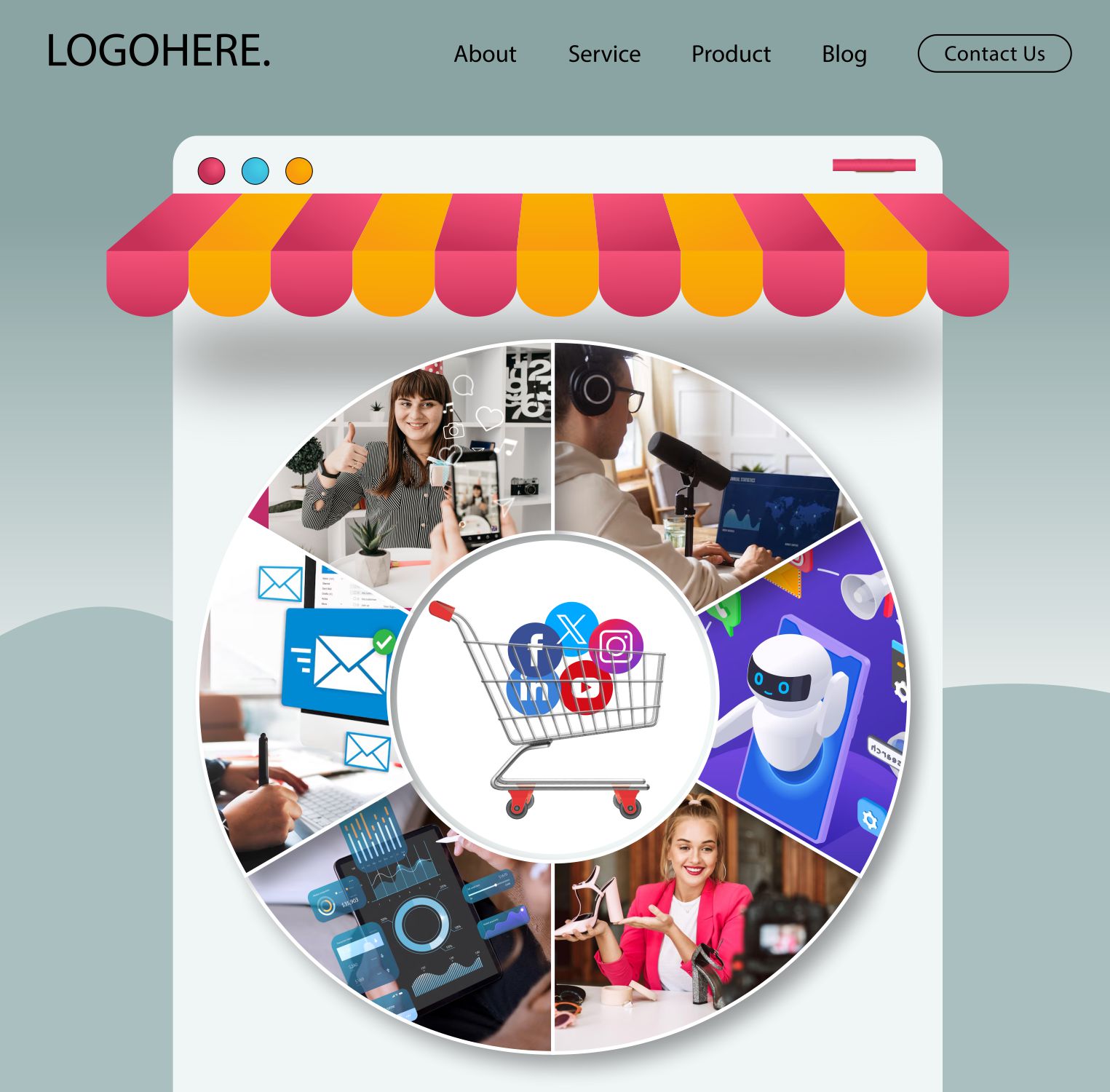
In 2025, digital marketing services are revolutionizing the eCommerce landscape by integrating modern technologies and innovative strategies.
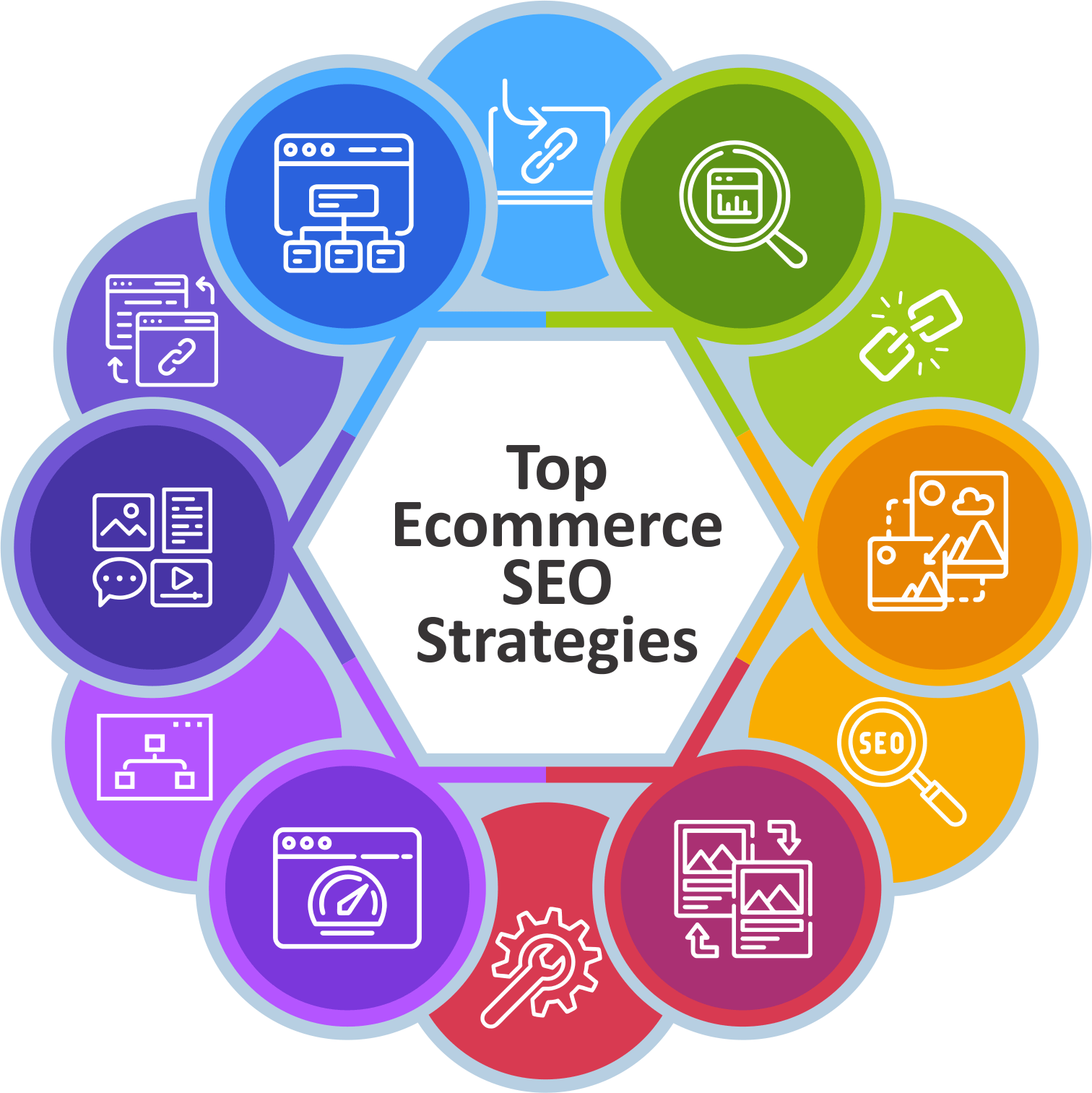
SEO in eCommerce is essential for driving organic traffic and improving online visibility. This guide will unveil top strategies to optimize eCommerce platforms. It covers site audits, keyword research, image optimization, content marketing, and more.
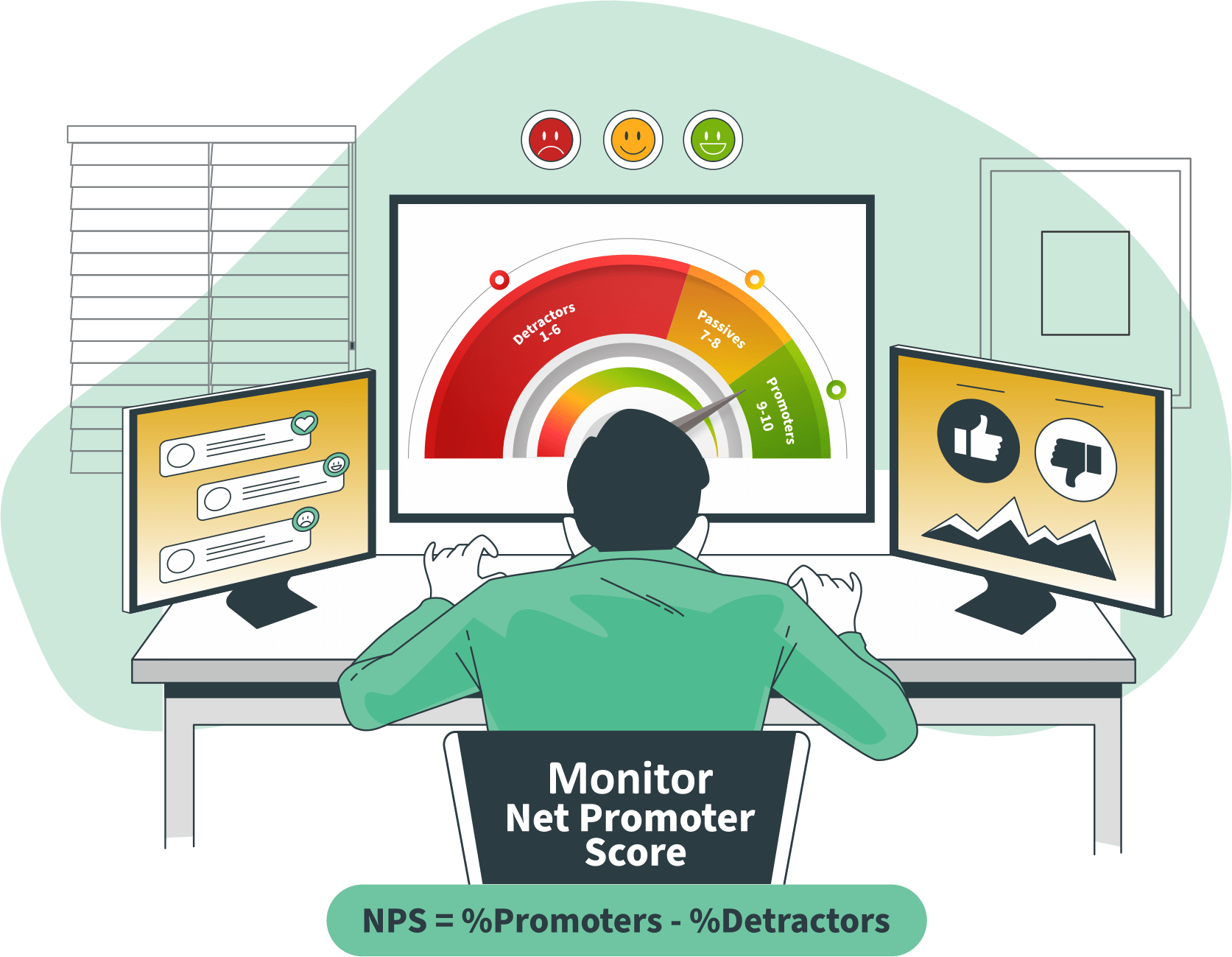
Improving customer satisfaction is paramount in today's dynamic retail landscape, especially for Direct-to-Consumer brands. Net Promoter Score (NPS) emerges as a powerful ally, gauging loyalty and influencing shopping habits.
We would love to be a part of your journey to success. Let's team up today!