
Running an online store is not easy when your platform lacks the needed features. Many merchants start with basic functionality but soon realize they need better automation, integration, and workflows. That is where Shopify application development becomes valuable.
With the right apps, you can expand store capabilities, manage operations more efficiently, and improve customer experience. This guide explains how Shopify apps work, why businesses invest in them, and how they are created.
If you want to build powerful tools for merchants or plan to launch an app for your store, this blog will help you understand the process and opportunities in Shopify app development.
Explore how custom Shopify apps help businesses improve efficiency, personalize experiences, and scale faster in the competitive eCommerce space.
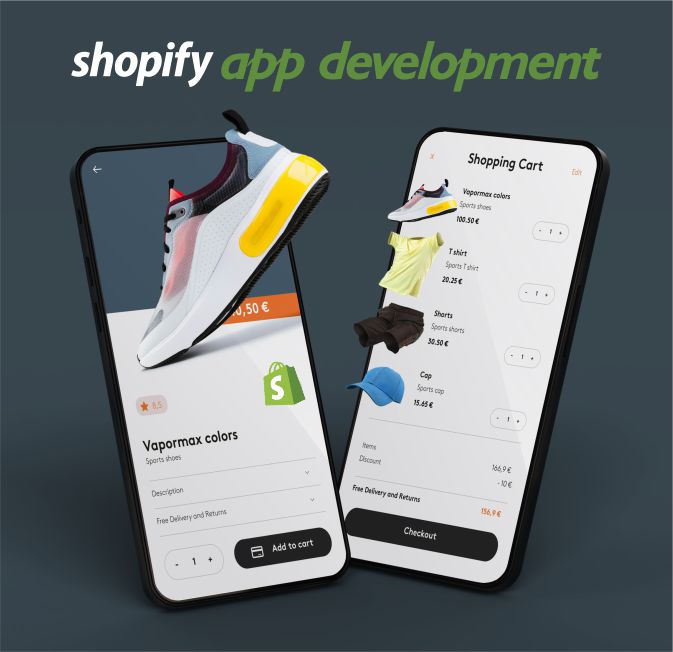
Presently, Shopify powers millions of online stores. Yet every business has unique needs that the default platform cannot always fulfill. Many merchants require advanced integrations, automation tools, or specialized features for their website.
This is where custom Shopify app development plays a major role. Shopify apps extend the platform’s capabilities. They allow merchants to add functions such as inventory automation, advanced analytics, marketing integrations, AI tools, and order management tools.
Shopify app development solutions help businesses to improve store performance or add new capabilities.
In this blog, you will learn how Shopify apps work, the different types of apps, and the steps required to build them. You will also understand how Shopify app development helps businesses grow and why many companies partner with a Shopify app development company to build reliable applications.
Understand how to use Shopify Analytics to drive business growth.
Shopify apps are software applications that extend the functionality of a Shopify store. They integrate with the Shopify platform using APIs that allow merchants to add new features without modifying the core platform.
For example, Shopify apps can help merchants manage inventory, automate marketing campaigns, integrate shipping providers, or analyze sales performance. Many stores rely on Shopify apps for automation to reduce manual tasks and improve operational efficiency.
Businesses often invest in Shopify app development solutions when they want custom capabilities that are not available in standard apps. Developers build these applications using Shopify APIs, web technologies, and secure authentication systems.
A professional custom Shopify app developer understands how to integrate APIs, build secure authentication systems, and create applications that support merchant workflows. In many projects, app functionality also works alongside Shopify theme development services to create a fully integrated store experience.
Shopify provides several app types. Each serves different development and distribution purposes.
They can be listed in the Shopify App Store and are accessible to a variety of retailers. The two categories are listed and unlisted. From the Shopify App Store, retailers can download the apps that are displayed.
However, unlisted apps don't show up in the Shopify App Store's categories or search results. You can download them from the Shopify app creators’ website or the appropriate app store.
They are created specifically for a given retailer and are not allowed in the Shopify App Store. They are excellent for expanding the web business to other platforms or adding functionality to your Shopify admin.
To create custom apps, the outside Shopify app creators do not need admin access to Shopify or access to your store's API.
These are created by Shopify app creators for businesses that have unique needs that cannot be satisfied by custom applications. In contrast to the other two, Merchant Admit allows users to construct Private apps.
Private apps are only accessible within your store and are not available in the Shopify App Store. The outside Shopify app creators will require Shopify admin and API access.
Find out the top 10 Shopify websites around the world.
The Shopify app creators' draft apps as part of the development process. They are only installable in development stores, which permanently disable store transfer.
The demand for Shopify apps continues to grow as online commerce extends. Businesses develop apps to address both the needs of merchants and customers.
Global eCommerce is growing every year. More businesses are launching online stores and searching for advanced tools. This growth increases demand for Shopify app development solutions that help merchants manage stores more effectively.


Artificial intelligence is becoming common in eCommerce. Merchants want tools for product recommendations, chatbots, and predictive analytics. Developers now build advanced tools through Shopify app development that integrate AI technology with Shopify stores.
Merchants constantly search for better ways to manage orders, marketing, and logistics. Many companies hire a custom Shopify app developer to create applications that support their specific workflows.


Customers expect faster shopping experiences, personalized offers, and smooth checkout processes. Businesses often combine app functionality with Shopify theme development services to improve the front-end user experience.
Many industries have unique operational challenges. Custom apps help merchants solve these challenges by integrating internal systems and improving workflows. This is why many organizations rely on Shopify application development and specialized Shopify app development services.

Developing a Shopify app requires planning, technical expertise, and a clear understanding of merchant requirements.
Every successful app begins with a clear problem to solve. Before writing a single line of code, you must identify the business challenge your app will address. Start by researching Shopify merchants and analyzing common operational pain points. Some merchants struggle with inventory management, others with marketing automation or order processing. Your app should provide a solution that enhances efficiency or customer experience.
You should also define the target audience. Your users may include small merchants, growing brands, enterprise retailers, or dropshipping businesses.
For example, many merchants want Shopify apps for automation to reduce manual processes such as order updates or customer notifications.
Study what things do you need to start a clothing eCommerce website on Shopify.
Pro Tip: Study the Shopify App Store carefully or interview a few merchants. Identify gaps where merchants request features, but existing apps do not fully solve the problem. Building a solution around these gaps increases the chances of adoption.
To begin development, you must create a Shopify Partner account. This account provides access to Shopify developer tools, APIs, and testing environments.
Once the account is created, you can build a development store. This store acts as a testing environment where your app can interact with Shopify data without affecting real merchants.
A development store allows you to simulate real store behavior while building your app. It also helps you validate integrations during Shopify app development.
Pro Tip: Create multiple development stores for testing different use cases. One store can simulate a small merchant while another can simulate a large store with high product volumes.
The technology stack determines the scalability, performance, and maintainability of your application. Shopify supports multiple development frameworks and programming languages. The most used stacks include:
Discover the top applications for quick Shopify checkout.
Shopify also provides tools like Shopify CLI and Polaris UI components, which simplify the development process. Choosing the right stack is an important part of building reliable Shopify app development solutions.
Pro Tip: For faster development and easier UI integration, use Shopify Polaris for the interface and Node.js for backend logic. This combination works well with Shopify APIs.
Shopify apps interact with store data using APIs. To access this data securely, the app must implement OAuth authentication. OAuth allows merchants to grant permission for your app to access specific store resources, such as products, orders, or customers.
Once authentication is completed, the app can communicate with Shopify through REST APIs or GraphQL APIs. GraphQL is increasingly preferred because it lets developers retrieve only the required data.
Authentication and API integration form the core of custom Shopify app development.
Pro Tip: Use Shopify GraphQL APIs whenever possible. They reduce server load and improve data retrieval efficiency compared to REST APIs.
After authentication and API integration are completed, the development team begins building the app’s main functionality.
Learn about the top 5 Shopify Sportswear stores.
Core features may include:
At the same time, developers build the user interface. The UI must follow Shopify design standards so merchants find it easy to use. Many apps also integrate automation features that help merchants manage operations more efficiently.
Pro Tip: Keep the interface simple and focused. Merchants prefer apps that solve one key problem very well, rather than complex apps with too many features.
Testing is one of the most critical phases in Shopify app development. A poorly tested app can cause store disruptions or data issues.
Testing should include:
Testing also verifies whether the app works correctly with various store configurations. Professional Shopify app development services often include automated testing systems that validate application performance.
Pro Tip: Test your app on stores with large product catalogs. Many apps fail when stores have thousands of products or high traffic.
Understand how you can start a Shopify dropshipping store.
If you plan to launch a public app, it must pass Shopify’s App Store review process. Shopify evaluates apps based on security, functionality, and user experience. Developers must also provide:
Apps that fail to meet Shopify’s standards are rejected during the review process. This stage is an important part of Shopify application development because compliance determines whether your app can be listed publicly.
Pro Tip: Follow Shopify App Store guidelines from the beginning of development. Fixing compliance issues later can delay the launch.
After approval and launch, development does not stop. The post-launch phase focuses on monitoring performance and improving the application.
This data helps guide future updates. Continuous improvements are necessary for long-term success in Shopify app development. Many companies offering Shopify app development solutions maintain dedicated support teams that release updates and introduce new features based on merchant feedback.
Pro Tip: Actively engage with merchants after launch. Reviews and feedback from real users help improve the app and increase App Store rankings.
Find out the best Shopify jewelry store.
Shopify apps expand the capabilities of the Shopify platform and help merchants solve real business challenges. From automation tools to AI-powered integrations, apps play a major role in modern eCommerce.
This guide explained how Shopify apps work, the types of apps available, and the steps involved in development. It also showed how Shopify app development solutions support growing merchants and help businesses add advanced functionality to their stores.
If you plan to build a Shopify application, working with an experienced Shopify app development company or professional Shopify app development services provider can help you launch a reliable and scalable app.
With the right strategy and development approach, Shopify apps can create new revenue opportunities and deliver powerful solutions for merchants worldwide.
Shopify provides many standard features, but every business has different operational needs. Many merchants require integrations with ERP systems, advanced analytics, or specialized workflows that the default platform cannot support.
Custom Shopify app development allows businesses to build unique functionality that supports their processes and growth goals. Through Shopify application development, companies can build tools that connect to external systems, automate operations, and improve store performance.
This is why many merchants invest in Shopify app development solutions when built-in features cannot meet their requirements.
Shopify apps extend the platform by adding advanced capabilities that are not available by default. Through Shopify app development, businesses can integrate marketing tools, inventory systems, analytics platforms, and shipping providers.
Many merchants also rely on Shopify apps for automation to handle repetitive tasks such as order processing, product updates, and customer notifications. With the right Shopify app development solutions, businesses can enhance operational efficiency, reduce manual work, and deliver better shopping experience for customers.
The timeline for Shopify application development depends on the complexity of the app. A simple application with limited functionality may take four to six weeks to build. More advanced apps that require multiple integrations, automation features, or analytics dashboards can take three to six months.
Businesses often work with a Shopify app development company to accelerate the process and maintain high-quality development standards. Professional Shopify app development services help plan the architecture, build features, and test the app before launching.
Yes, coding knowledge is typically required for Shopify app development. Developers must work with Shopify APIs, authentication systems, and backend technologies such as Node.js or Ruby on Rails. These technical skills are essential for Shopify application development and building scalable applications.
If you do not have development experience, you can hire a custom Shopify app developer or partner with a Shopify app development company. Experienced developers deliver Shopify app development solutions that help merchants build reliable and scalable applications.
When choosing a custom Shopify app developer, look for strong experience in Shopify app development, API integration, and secure authentication systems. The developer should understand merchant workflows and be able to design efficient Shopify app development solutions that solve real business problems.
It is also helpful if the developer has experience with Shopify theme development services because apps often interact with store interfaces. Many businesses prefer partnering with a Shopify app development company that offers Shopify app development services, including development, testing, and long-term support.

Shopify website development there are a lot of costs involved apart from buying Shopify subscription plans such as themes, plugins, domains, and hiring professionals. We will discuss how these factors impact the total development cost.

Building a reliable and secure website is not as easy as it seems in India. You need to consider several things in mind to get started with eCommerce. Therefore, it’s better to take help from the best Shopify development company in India.

Choosing the right eCommerce plan can feel like standing at a crossroads with two strong options ahead. On one side, a solution designed to scale with growing businesses; on the other, a powerful upgrade built to handle high-volume brands and complex operations.
We would love to be a part of your journey to success. Let's team up today!