
Your website may look great, but that does not mean it performs well in search results. Many businesses publish content, run campaigns, and invest in design, yet they still struggle to understand why traffic stays flat.
We have seen these many times while auditing websites for clients. The real problem is a lack of data visibility. Without the best SEO tools, you cannot identify technical issues, keyword gaps, or content weaknesses that hold your website back.
So, if you want to know the solution, stay with us.
Learn how SEO tools play a vital role in improving website rankings by offering insights into technical health, backlink profiles, and competitive positioning.
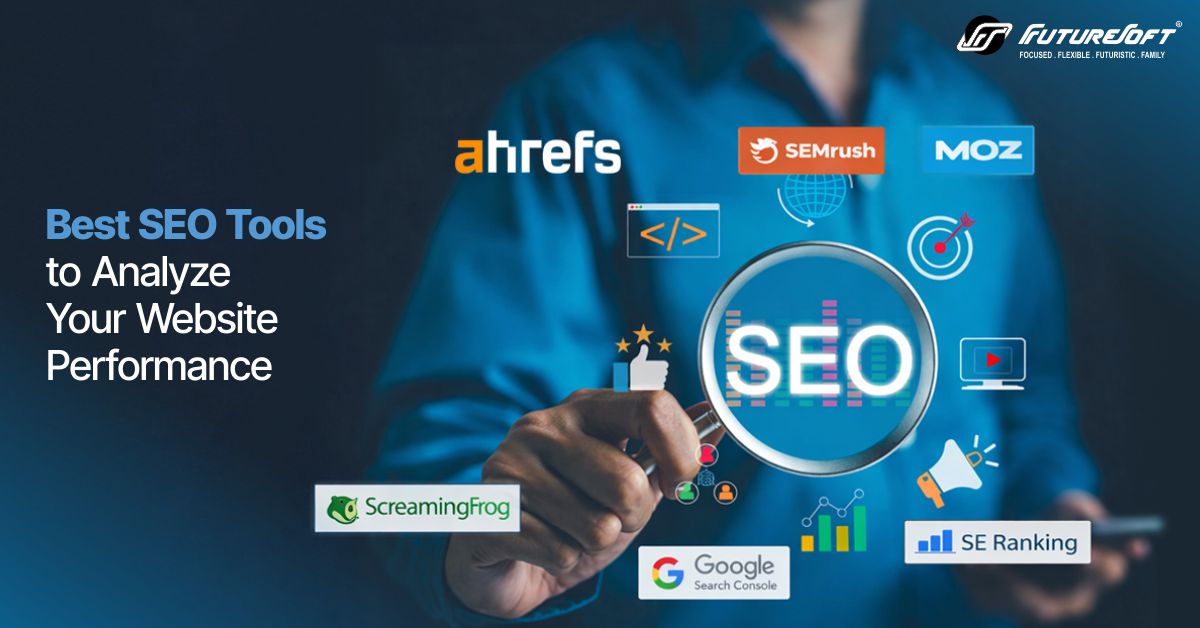
Using effective website SEO tools is the only way to win in 2026. Search engines have changed. They are smarter and faster than ever. Recent data shows 75% of users never scroll past the first result page.
If you are not there, you do not exist. We have managed budgets for many B2C and D2C brands. We know that the right data saves you money. Website SEO tools provide the insights you need to stay ahead.
This blog will walk you through the top options on the market. It breaks down technical, performance, and content platforms. You will learn which top SEO tools fit your specific business goals. Our goal is to help you build an SEO software tools stack that defines success.
When we audit a website, we rarely rely on one platform. Effective SEO analysis usually involves combining multiple best SEO tools, because each platform specializes in a different part of SEO. Some tools focus on backlinks, some on technical diagnostics, and others on content optimization.
The most effective website SEO tools give you actionable data. They show where traffic is coming from, what keywords drive rankings, how search engines crawl into your website, and which technical issues are limiting visibility.
Below are the top SEO tools used by SEO professionals, agencies, and marketing teams to analyze website performance in depth. Learn how to build topic clusters and information structure for your eCommerce website.
These platforms are considered the best SEO tools because they provide a complete picture of organic search performance.
It works as one of the most powerful SEO analytics tools because it analyzes links, keywords, and website authority.
Core Data Provided Ahrefs provides multiple data layers.| Pros | Cons |
| One of the largest backlink databases | Premium pricing |
| Highly accurate keyword research | Large data sets can overwhelm beginners |
| Excellent competitor intelligence |
For marketers looking for the best SEO tools for B2B brand marketing, Ahrefs helps identify high-intent, industry keywords, and backlink opportunities that improve domain authority.
Know about the best Shopify themes for Sport Brands.
SEMrush is a comprehensive digital marketing platform used by agencies and enterprises. It is one of the most popular website SEO tools because it combines SEO, PPC, and competitive analysis.
SEMrush tracks keyword rankings, advertising campaigns, competitor strategies, and website performance. It acts as a central hub for many SEO software tools and workflows.
Core Data Provided
| Pros | Cons |
| Large keyword database | Interface can feel complex initially |
| Powerful competitive analysis | |
| Detailed reporting dashboards |
SEMrush is widely considered among the top SEO tools because it integrates SEO, PPC, and content research in one platform.
Moz created Moz Pro to simplify SEO monitoring. Many marketers use Moz as an entry-level platform among SEO analytics tools. Moz tracks keyword rankings, analyzes backlinks, and identifies technical SEO issues.
It is known for introducing the Domain Authority metric, which predicts ranking strength.
Data ProvidedMoz provides domain authority scores, page authority metrics, keyword rankings, and backlink reports.
Learn which one is best: Magento vs Shopify for B2B.
Key Features| Pros | Cons |
| Simple interface | Smaller keyword database than other SEO software tools |
| Reliable SEO metrics | |
| Good educational resources |
Technical SEO determines whether search engines can crawl and index your website correctly. These SEO tools for website diagnostics detect structural problems that affect rankings.
Screaming Frog SEO Spider is a technical crawling tool used by SEO specialists. It crawls websites the same way search engines do and identifies technical issues that may prevent pages from ranking.
Data ProvidedThe crawler collects detailed page-level data, including:
| Pros | Cons |
| Very detailed technical insights | Desktop software |
| Ideal for a large website | Technical interface |
Google Search Console, created by Google, is a free tool used by almost every SEO professional. It shows how Google crawls and indexes your website. It is one of the most essential SEO analytics tools.
Understand how to build an eCommerce marketing strategy for your business.
Data Provided It provides data such as:| Pros | Cons |
| Free tool | Limited competitor analysis |
| Data directly from Google |
It focuses on website audits and optimization recommendations. SEObility evaluates websites for technical and on-page SEO issues.
Data ProvidedSEObility provides:
Discover how to leverage Generative AI for content creation.
| Pros | Cons |
| Beginner-friendly interface | Smaller keyword database |
| Automated website auditing | Limited advanced competitor analysis |
| Affordable pricing |
Conductor is an enterprise-level SEO platform. It analyzes website performance, keyword visibility, and content performance across search engines.
Data Provided| Pros | Cons |
| Enterprise-level SEO data and analytics | Expensive compared with many SEO tools |
| Excellent reporting dashboards | Primarily designed for large organizations |
| Strong content optimization insights |
Developed by Anthropic, Claude Sonnet is an AI-based research and content planning and SEO analysis tool. It analyzes content quality, semantic relevance, and search intent.
Discover how to turn eCommerce analytics into business growth.
Data Provided It provides:| Pros | Cons |
| Powerful AI research capability | Not a dedicated technical SEO platform |
| Speeds up content strategy planning | Does not provide traditional SEO metrics like backlinks and rankings |
| Helpful for keyword clustering and topic discovery |
Page speed affects both rankings and user experience. These SEO tools for website speed diagnostics identify performance issues.
Google PageSpeed Insights is a performance analysis tool developed by Google. It evaluates website loading speed and user experience metrics.
Data ProvidedIf provides:
It suggests improvements such as:
Learn Adobe Commerce's best SEO practices for a business.
Key Features| Pros | Cons |
| Free performance analysis tool | Technical suggestions may require developer support |
| Direct insights based on Google ranking signals | Limited SEO data beyond speed performance |
| Clear suggestions for improving page speed |
GTmetrix is a performance monitoring platform used to analyze page loading speed and server response behavior.
Data Provided| Pros | Cons |
| Detailed loading performance insights | Limited SEO insights beyond speed analysis |
| Visual waterfall charts for troubleshooting | Some advanced features require paid plans |
| Performance tracking over time |
Content optimization plays a critical role in SEO rankings. These SEO software tools analyze keyword coverage and content quality. Study how to build a scalable eCommerce ecosystem.
Surfer SEO analyzes top-ranking pages and compares them with your content.
Data Provided| Pros | Cons |
| Excellent content optimization insights | Focused mainly on content SEO |
| Easy to integrate with content workflows | Limited backlink analysis features compared with larger SEO platforms |
| Helpful for improving the ranking potential of blog articles |
It is a content intelligence platform used by SEO teams, editors, and content marketers to create highly optimized content. Among modern SEO software tools, Clearscope is known for its ability to analyze top-ranking content and identify semantic keywords that improve relevance.
Clearscope evaluates the top-ranking pages for a specific keyword and identifies patterns that contribute to their rankings.
Data Provided| Pros | Cons |
| Excellent semantic keyword analysis | Higher pricing compared with some SEO software tools |
| Easy to use content editor | Limited technical SEO features |
| Strong integration with writing workflows |
While enterprise platforms offer extensive features, several free tools provide valuable insights. These website SEO tools are helpful for keyword research, content discovery, and SEO diagnostics.
Many marketers combine them with paid SEO analytics tools to get a broader view of performance.
Discover the best digital marketing tips for B2B startups.
Website Grader is a diagnostic tool developed by HubSpot. It provides a quick evaluation of website performance, SEO, mobile readiness, and security. The tool scans your website and generates a performance score based on four key areas.
Data Provided
The platform generates a report that includes:
| Pros | Cons |
| Simple and beginner-friendly | Limited technical depth compared with enterprise SEO software tools. |
| Quick diagnostic reports |
Google Trends is a research tool created by Google that analyzes search interest over time. It is widely used among marketers to identify trending topics and seasonal search behavior. Google Trends tracks how often specific search terms are used relative to the total search volume.
Learn how to achieve Magento eCommerce SEO mastery.
Data ProvidedThe tools provide insights such as:
| Pros | Cons |
| Excellent for trend forecasting | Does not provide exact keyword search volumes |
| Helpful for content planning |
Developed by Neil Patel, Ubersuggest is a beginner-friendly SEO platform that combines keyword research, site auditing, and competitor analysis in a simple dashboard. It helps in evaluating website SEO health.
Data ProvidedThe platform provides insights such as:
| Pros | Cons |
| Beginner-friendly interface | Smaller data set compared with larger SEO analytics tools |
| Useful keyword research insights |
Google Gemini is an AI research and content analysis system developed by Google. AI platforms like Gemini are becoming part of modern SEO workflows. It helps by analyzing search queries, generating content ideas, and evaluating topic coverage.
Find out the best traffic generation strategies for Shopify.
Data ProvidedGemini can assist with:
| Pros | Cons |
| Advanced AI research capabilities | Not a dedicated technical SEO platform |
| Helpful for content strategy planning |
| Name | Category | Price | Key Features | SEO Automation |
| Ahrefs | Paid | From $129/ month | Backlink analysis, keyword research, competitor tracking | Medium |
| SEMrush | Paid | From $139.95/ month | Keyword tracking, audits, competitor research | High |
| Moz Pro | Paid | From $49/month | Rank tracking, domain authority metrics | Medium |
| Screaming Frog | Paid/Free | $279/year | Technical crawling, link analysis | Medium |
| Google Search Console | Free | Free | Search performance, indexing insights | Low |
| SEObility | Paid/Free | From $50/month | Site audits, keyword tracking | Medium |
| Conductor | Paid | Enterprise pricing | Search analytics, content insights | High |
| Claude Sonnet | Paid | From $20/month | AI content analysis | High |
| Google PageSpeed Insights | Free | Free | Core Web Vitals, speed metrics | Low |
| GTmetrix | Paid/Free | From $5.99/month | Speed performance monitoring | Medium |
| Surfer SEO | Paid | From $119/month | Content optimization | High |
| Clearscope | Paid | From $129/month | Content grading and keyword analysis | Medium |
| Website Grader | Free | Free | SEO and performance analysis | Low |
| Google Trends | Free | Free | Keyword trend insights | Low |
| Ubersuggest | Paid/Free | From $29/month | Keyword research, SEO audit | Medium |
| Google Gemini | Paid/Free | From 19.99/month | AI research and content analysis | High |
Know how to ensure an eCommerce website security with encryption.
Choosing the right website SEO tools will change your business. We have seen small D2C brands beat giant retailers by using better data. These top SEO tools allow you to work smarter. You can fix technical errors before they hurt you.
You can write content that people actually want to read. According to our experience, the mix of tools is the best. You don’t need every tool on this list. Pick one for all-in-one data. Pick one for speed and content. If you feel overwhelmed, you can also consult a search engine optimization company.
They can help you set up these SEO software tools. Start using these SEO analytics tools today. You will see your traffic grow over time. The best SEO tools are the ones you use every day. Make sure you check your data regularly.
The best SEO tools help you understand how your website performs in search engines and where improvements are needed. Popular website SEO tools include SEMrush, Ahrefs, and Moz. These SEO software tools provide keyword rankings, backlink data, competitor insights, and technical audits.
Platforms like Google Search Console and Screaming Frog SEO Spider also act as powerful SEO analytics tools that show how search engines crawl and index your pages.
When used together, these tools help identify technical issues, track keyword performance, and improve search visibility. They are also among the best SEO tools for B2B brand websites that rely on organic traffic for leads and conversions.
Beginners often start with simple and easy-to-understand website SEO tools that provide clear insights without complex dashboards. Tools like Ubersuggest and Google Search Console are good starting points.
They provide keyword data, search performance insights, and basic website audits. Many marketers also explore Moz because it explains SEO metrics in a user-friendly way. These SEO software tools help new users learn how search rankings work and how to improve content visibility. Over time, beginners can move to more advanced top SEO tools like SEMrush. These tools are often recommended as the best SEO tools for B2B brand websites that want to grow search traffic gradually.
Technical audits help identify issues that prevent search engines from crawling and indexing your pages properly. Some of the top SEO tools used for this purpose include Screaming Frog SEO Spider, Google Search Console, and SEObility.
These SEO tools for website audits analyze site structure, broken links, duplicate content, and indexing problems. They also provide insights about redirects, meta tags, and internal linking. Many SEO professionals rely on these SEO analytics tools to diagnose technical errors that impact rankings.
When technical issues are fixed, search engines can crawl pages more efficiently, which improves visibility. For businesses, these platforms are often considered among the best SEO tools for maintaining strong website health.
Content optimization focuses on improving relevance, keyword coverage, and search intent. Some of the best SEO tools for this purpose include Surfer SEO and Clearscope.
These SEO software tools analyze the top ranking pages for a keyword and recommend improvements for headings, keyword usage, and topic coverage. They also provide content scores that show how well an article matches search intent.
Many marketers combine them with website SEO tools like SEMrush to discover keyword opportunities. These tools are widely used by marketers looking for the best SEO tools for B2B brand content strategies because they help create detailed, search-focused articles that perform well in search engines.
Website speed directly affects user experience and search rankings. Search engines prioritize fast-loading pages because they provide better browsing experiences. Tools like Google PageSpeed Insights and GTmetrix are widely used SEO tools for website performance analysis.
These SEO analytics tools evaluate loading speed using metrics such as Core Web Vitals and server response time. If pages load slowly, users leave quickly, which reduces engagement and rankings.
Improving speed helps search engines crawl pages more efficiently and improves visibility. For many businesses, speed optimization using these top SEO tools becomes an important part of their SEO strategy and website performance improvement efforts.
Have you ever wondered how large-scale websites like Airbnb, Canva, or G2 rank high on search engines despite having thousands or even millions of pages? The secret lies in a scalable approach known as Pragmatic SEO.

A lot has changed in SEO in the past few years. All this is powered by digital transformation and AI (Artificial Intelligence). The rules for online visibility are being rewritten. Traditional searches and SEO rely on clicks and traffic which is being disrupted by the rise of zero click searches.

In 2025, artificial intelligence is revolutionizing the future of search engine optimization (SEO) by making strategies smarter, faster, and more efficient. This blog explores how AI is reshaping SEO services through predictive analytics, AI-powered keyword research, voice and visual search optimization, technical audits, and hyperlocal targeting.
We would love to be a part of your journey to success. Let's team up today!